Explore the fascinating world of cement, from its fiery origins to its diverse applications in construction, art, and more. Discover its role in shaping our world and the sustainable future ahead.
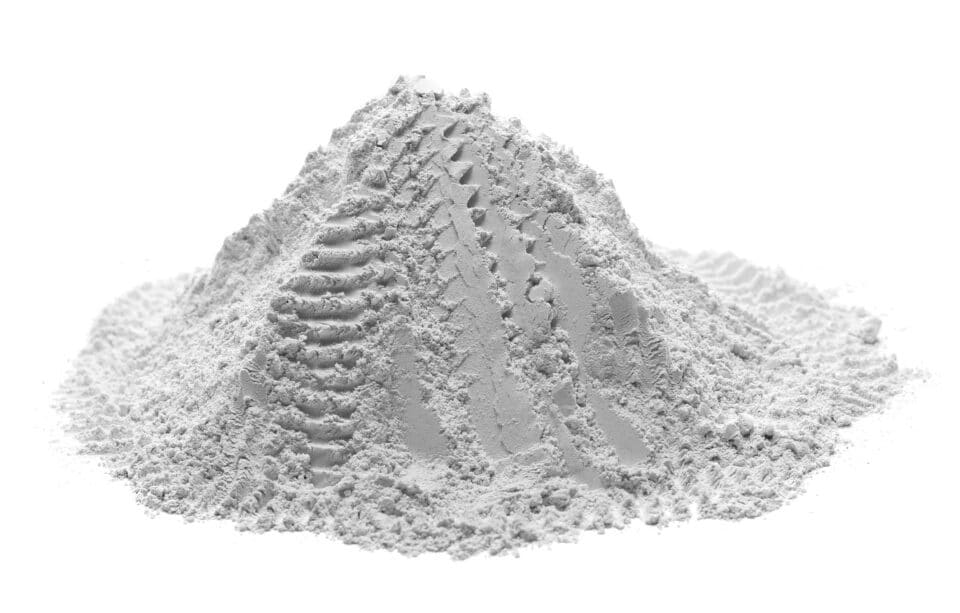
Cement, the ubiquitous gray powder, might seem unassuming, yet it’s the foundation of our built world. From towering skyscrapers to intricate bridges, this versatile material binds together sand, gravel, and water, forming the rock-like mass known as concrete – the most used construction material globally, second only to water! But what exactly is cement? Where does it come from? And why is it so essential? Delve deeper with us as we explore the fascinating world of cement:
From Limestone to Binder:
Cement’s journey begins in limestone quarries, where calcium carbonate reigns supreme. This rock undergoes a fiery transformation in kilns, reaching scorching temperatures exceeding 1400°C. The intense heat unlocks a chemical reaction, forming calcium silicates, aluminates, and ferrites – the key ingredients in cement. Once cooled and ground into a fine powder, it’s ready to unleash its binding magic.
The Power of Hydration:
When mixed with water, cement undergoes a remarkable process called hydration. This seemingly simple reaction triggers a cascade of chemical transformations. Water molecules react with cement particles, forming interlocking crystals that fill the spaces between sand and gravel. Over time, these crystals grow stronger, transforming the loose mixture into a solid, rock-like mass – concrete. The strength and durability of concrete depend on the type of cement used, the water-cement ratio, and curing conditions.
A Diverse Family:
While Portland cement, named after its resemblance to English limestone, takes the spotlight, numerous other types cater to specific needs. Masonry cement boasts excellent bonding properties, ideal for bricks and blocks. Sulfate-resistant cement thrives in harsh environments with sulfates, safeguarding structures from deterioration. White cement, with its pristine hue, adds aesthetic appeal to architectural wonders.
Beyond Construction:
Cement’s versatility extends beyond construction. It finds applications in creating sculptures, crafting artistic masterpieces, and even stabilizing soil for infrastructure projects. In medicine, bone cement aids in joint replacements, while dental cement helps restore damaged teeth.
Sustainability in Focus:
The cement industry is constantly seeking ways to minimize its environmental impact. By optimizing production processes, utilizing alternative fuels, and incorporating recycled materials, manufacturers are reducing their carbon footprint and promoting sustainable construction practices.
The Future of Cement:
Research and development are continuously evolving the world of cement. Innovations like geopolymers offer promising alternatives with lower environmental impact. Self-healing and self-compacting cements are revolutionizing construction efficiency and durability.
Concluding Thoughts:
Cement, though often overlooked, plays a crucial role in shaping our world. Understanding its properties, applications, and ongoing developments paints a fascinating picture of this essential material. From towering structures to everyday objects, cement binds our world together, offering a solid foundation for future generations.

Howdy! This is my first visit to your blog! We are a group of volunteers and starting a new project in a community in the same niche.
Your blog provided us beneficial information to work
on. You have done a outstanding job!
Hello! We are glad that it was useful for you